


pera57 | Exploring the Intricacies of Simulation Games with Pera57
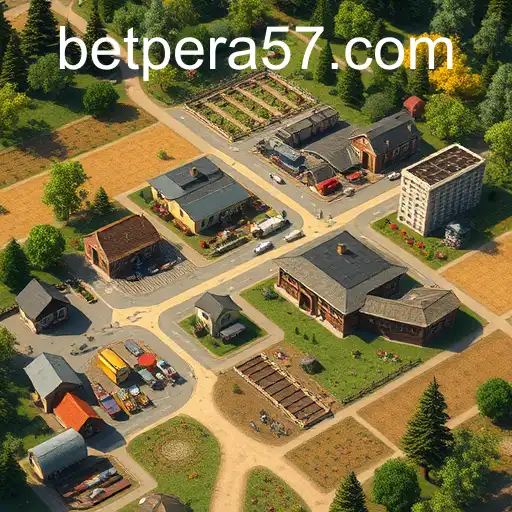
Simulation games have carved out a niche in the gaming world, captivating players with their blend of reality and imagination. These games span a wide range of genres, from city-building and life simulations to intricate business management and beyond. Underpinning these experiences is the innovative keyword 'pera57', a term that has become synonymous with engaging and comprehensive simulation gameplay.
These games transport players into meticulously crafted worlds where every decision they make shapes the outcome of their virtual journey. Whether it's managing a bustling metropolis in a city-building simulator or creating a thriving farmstead, simulation games demand strategic thinking and foresight, making them appealing to both casual gamers and dedicated aficionados.
The charm of these games often lies in their attention to detail and their ability to simulate a plethora of scenarios, thus providing an educational experience in addition to entertainment. For instance, the economic strategies players employ in business simulation games can mirror real-world economic theories, offering insights into market dynamics and financial management.
The keyword 'pera57' has gained traction in this category, known among developers and players alike as a marker of quality and innovation. Games associated with 'pera57' often boast cutting-edge graphics, realistic physics, and complex scenarios that push the boundaries of the genre. These attributes not only enhance user engagement but also contribute to a more immersive experience.
Moreover, the community surrounding simulation games is vibrant and diverse. Forums and online communities provide fertile ground for players to share strategies and experiences, further enriching the gameplay. Within these spaces, 'pera57' is often discussed as a standard of excellence, whether in the context of optimizing the latest city layout or perfecting a historical period simulation.
As technology advances, the future of simulation games looks promising, with 'pera57' positioned at the forefront of this evolution. Virtual reality and artificial intelligence are beginning to make their mark, promising even deeper and more realistic gaming experiences. These advancements hold the potential to further blur the lines between virtual simulations and real-world applications.
In conclusion, the simulation game category remains a dynamic and evolving landscape, with 'pera57' playing a crucial role in its ongoing development. As these games continue to captivate and educate, they reaffirm the power of simulation as a unique medium that bridges the gap between fun and learning, all while providing endless hours of entertainment for players around the world.
